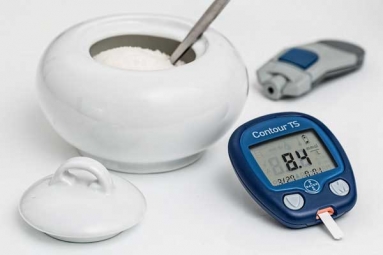

(Image source from: Canva.com)
What if people could taste sweetness without adding extra calories or causing a rise in blood sugar? For countless individuals handling diabetes or trying to maintain their weight, stevia may be the solution they have been looking for. This sweetener, which comes from a plant in South America, is 150 to 300 times sweeter than regular sugar but has no calories. Research indicates that pure and unrefined stevia does not elevate blood sugar levels; in fact, it might even help boost insulin production to naturally reduce those levels. Nowadays, families focused on health and those with diabetes are switching to stevia to better manage their calorie consumption and sugar intake. This leads us to the question: Can using stevia truly help those aiming to control their blood sugar?
Advantages of Stevia for Blood Sugar Levels:
The answer can be found by examining how people with prediabetes and diabetes can manage their blood sugar levels by using stevia in moderation. Diabetes is a complicated health issue that can be hard to control, as it is characterized by consistently high blood sugar levels. Because of this, stevia can be beneficial because it includes several bioactive compounds that contribute to its sweetness. Numerous studies on stevia have revealed various health benefits. These benefits include:
Stevia has no calories and is quickly absorbed by the body upon ingestion.
It assists with effective weight control.
It helps in regulating blood sugar levels.
It has a positive effect on individuals with high blood pressure.
It is rich in antioxidants that help lessen oxidative stress.
It combats infections caused by germs due to its strong antimicrobial qualities.
It has anti-tumor properties, as it is known to eliminate T-cells, which are cells that can lead to tumor formation.
Many studies have shown that stevioside, a component found in stevia, is not broken down by stomach acid or digestive enzymes. The existence of these bioactive substances enhances stevia's medicinal qualities and its possible applications in both the food industry and medicine. A recent study in the International Journal of Pharmacy and Pharmaceutical Sciences (2025) suggests that the ideal amount of unrefined stevia powder for diabetic patients is at least 3342 mg per day. This is roughly equivalent to a standard teaspoon per day (specifically, 0.7 of a regular teaspoon). Getting the right measurement is essential, and it’s also important to consult a qualified medical professional for advice. This is necessary because individuals have different blood sugar levels, which influence their insulin production. Those with type 1 and type 2 diabetes will require different dosages after taking several factors into account, while individuals with prediabetes will need a distinct amount of stevia.
Start gradually when adding a new sugar alternative and seek guidance from a healthcare provider for the correct amount to use. Studies on how stevia affects the human body have mostly shown no harmful side effects. The increasing amount of evidence highlights stevia's possible benefits in managing different health issues.
For individuals with diabetes, it has a slight effect on blood sugar levels. To fully grasp its advantages and satisfy the rising worldwide demand, more scientific studies are needed to ensure it is grown correctly and improve its chemical properties while guaranteeing its safety over time.
In summary, research indicates stevia is a remarkable natural sweetener that offers important health benefits for those with diabetes.