(Image source from: Canva.com)
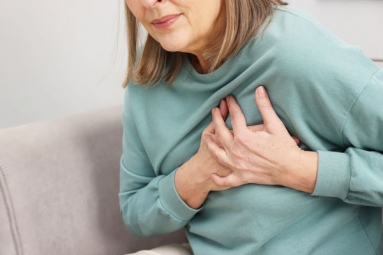
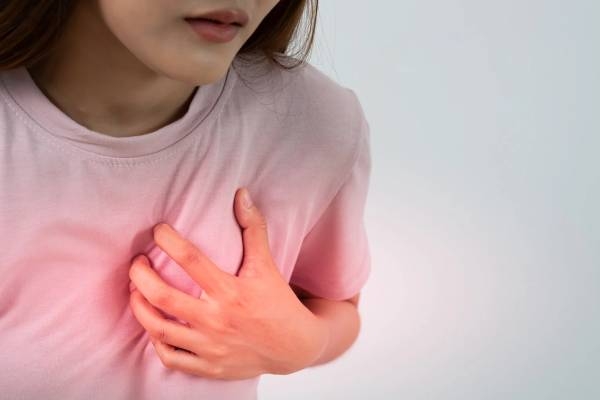
Heart issues are often thought to mainly affect men. However, that's not entirely accurate since women also face these problems. As per the World Health Organization (WHO), ischemic heart disease (IHD) was the second leading cause of death for women in India in 2021, right after COVID-19. COVID-19 caused 159.9 deaths for every 100,000 individuals, while ischemic heart disease resulted in 99.4 deaths per 100,000 people. This type of heart disease, also referred to as coronary heart disease (CHD), occurs when the coronary arteries get clogged with fat deposits. The British Heart Foundation explains that over time, a fatty substance called atheroma (or plaque) accumulates in the coronary arteries, leading to a condition known as atherosclerosis. "Eventually, the arteries may narrow so much that they fail to deliver enough blood to the heart. " If a piece of this atheroma breaks away, a blood clot can form around it, potentially blocking a coronary artery and stopping the blood and oxygen flow to the heart muscle, resulting in a heart attack. In an interview with NDTV, Dr. Geetesh Govil, a cardiology consultant at Manipal hospital in Ghaziabad, stated that ischemic heart disease is a significant cause of death among women around the globe, yet it often goes unnoticed. Research published in the AHA Journal shows it makes up one-third of all deaths among women worldwide.
"IHD happens when the coronary arteries that supply blood to the heart become clogged and restricted, decreasing oxygen flow to the heart, which heightens the chance of angina or a heart attack. " Women might face unusual symptoms like tiredness, difficulty breathing, nausea, or discomfort in their neck, jaw, or back, instead of the usual intense chest pain. Dr. Govil mentioned that these signs can be mild and are sometimes confused with stress, hormonal shifts, or stomach problems. Furthermore, hormonal changes such as menopause can greatly raise the risk of heart issues. Various biological, lifestyle, and health factors can lead to a higher chance of women developing ischemic heart disease. These factors include:
Hormonal Adjustments and Menopause: This is a primary reason for heart disease in women. Estrogen is crucial for keeping blood vessels healthy. Before menopause, it helps protect women's cardiovascular health by keeping arteries flexible, preventing plaque from forming in blood vessels, and promoting smooth blood circulation by relaxing the walls of the vessels. However, menopause brings a change as estrogen levels drop sharply within a few years. This causes atherosclerosis, where fat deposits become hardened and narrow the arteries, which can lead to IHD. After menopause, women experience many changes. Fat tends to build up around the belly, blood pressure and cholesterol levels increase, leading to higher levels of LDL (bad) cholesterol and triglycerides, while HDL (good) cholesterol drops. Additionally, there is a greater risk of obesity and high blood sugar during this time, both of which raise the chances of developing IHD.
High Blood Pressure: Hypertension puts constant pressure on the walls of arteries, causing them to get narrower and damaged over time. This also reduces the blood flow to the heart. After menopause, women experience a drop in estrogen, which increases this risk. If high blood pressure is not managed, it can double the chances of having a heart attack or a stroke.
High Cholesterol Levels: An increase in LDL, known as bad cholesterol, causes plaque to form in the arteries. This plaque buildup can block blood flow and lead to a heart attack.
Obesity and Sedentary Lifestyle: Carrying extra weight and not being active can raise the chances of developing hypertension, diabetes, and high cholesterol. These are key factors in heart disease.
Smoking: Smoking harms the inside of blood vessels, causes inflammation, and contributes to plaque accumulation, which raises the risk of heart-related problems.
Treatment for ischemic heart disease in women is based on how serious the condition is and how much blockage is present. In the early phases, making lifestyle adjustments like eating a heart-healthy diet, exercising regularly, managing weight, and quitting smoking is very important. Dr. Govil states, "When blood flow to the heart is affected, procedures like angioplasty with stenting or coronary artery bypass surgery can help improve blood circulation and avoid complications. " Finding the problem early and getting treatment in time can greatly enhance long-term health and life quality.