
(Image source from: News18.com)
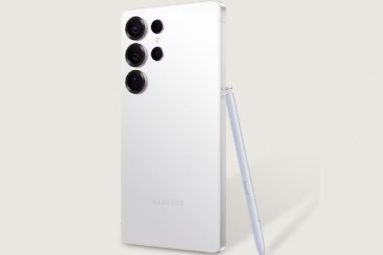
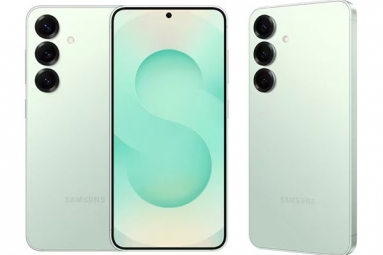
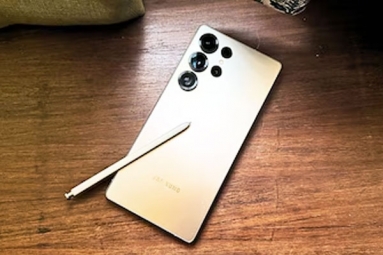
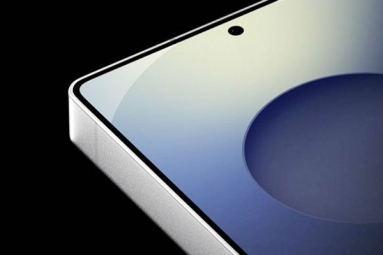
Samsung will be unveiling the Galaxy S26 series soon, with only a few weeks remaining until the anticipated launch of its next flagship devices. Recent reports indicate that changes in cost have created uncertainty for the company about how much to charge for the Galaxy S26 models. This comes at a time when the Korean company is believed to be losing money on every Galaxy Z TriFold sold. Here are the full details. A report from the Korean news source The Bell highlights that a primary reason for Samsung’s pricing challenge is the significant increase in component prices, particularly for memory. The article mentions that a worldwide lack of RAM—sparked by the growing need for AI technology—has made acquiring high-bandwidth memory difficult and costly. This has led to a rise in production costs for gadgets like the Galaxy S26. As of now, it seems that Samsung has yet to finalize the pricing for its new flagship devices.
If Samsung chooses to absorb these extra costs and sells the Galaxy S26 at prices similar to the previous Galaxy S25 series, their profits might suffer. On the other hand, raising prices could lead to lower demand from consumers, especially since Apple effectively lowered the price of the iPhone 17 this year. In India, the iPhone 16 with 256GB storage was priced at Rs 89,900, but Apple introduced the iPhone 17 with the same storage at Rs 82,900. While the 128GB version of the iPhone 16 was less expensive, Apple opted to stop producing it with the iPhone 17 release. This situation has added more pressure on Samsung to avoid increasing prices for the Galaxy S26 series. Another element affecting costs is Samsung’s dependence on Qualcomm Snapdragon processors instead of using its own Exynos chips in recent flagship models. The company plans to use the Exynos 2600 chipset in some regions to cut down production expenses and improve profits, but for the time being, the Galaxy S26 series will still utilize Qualcomm’s Snapdragon 8 Elite Gen 5 chipset, which limits Samsung’s ability to manage costs.
The Galaxy Z TriFold, priced at 3,594,000 won (around Rs 2,24,000), is currently Samsung’s costliest foldable phone. Despite this high price, the report claims that the company is losing money on each unit sold as production costs exceed the sale price. In a direct statement, Lim Sung-taek, Vice President of Samsung Electronics Korea, mentioned at the device's launch event: "This is a special edition product, so rather than producing it in large quantities, we have made it available to those who want to try it." He added, "There were several challenges, such as the cost of memory, but we made a bold choice to decrease it and reach this tough price".
Samsung is said to be not focused on making money with every Galaxy Z TriFold phone it sells at this time. The firm chose this path to display its advanced technology and enhance the phone's competitiveness. Samsung is the second smartphone manufacturer after Huawei to introduce a phone that folds three times. Because this phone is expected to have low sales volumes, Samsung's total losses are constrained. Although this approach is rare in the smartphone market, there are examples in technology where some high-end gadgets are sold at a loss until manufacturing costs go down.