(Image source from: Asiasentinel.com)
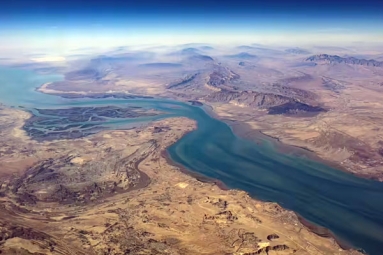
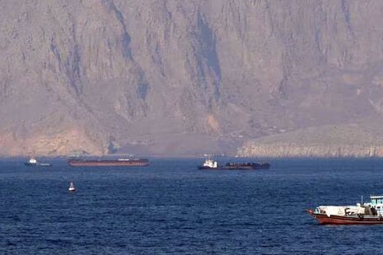
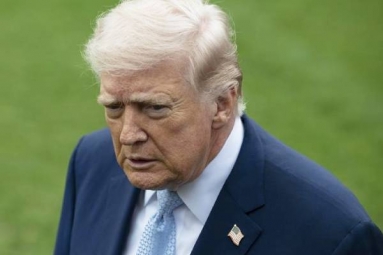
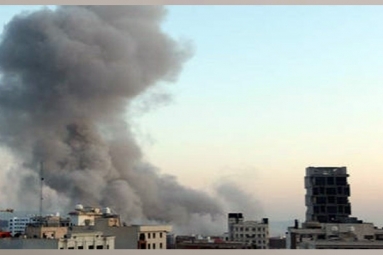
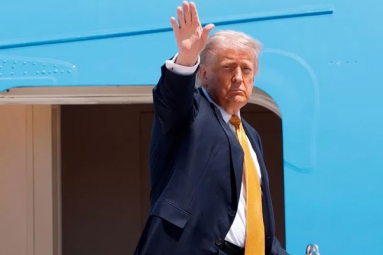
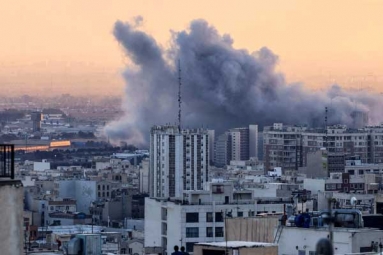
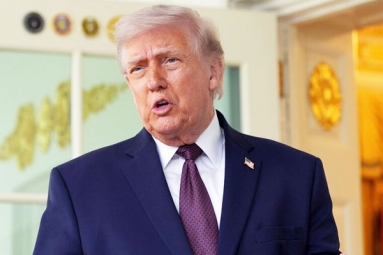
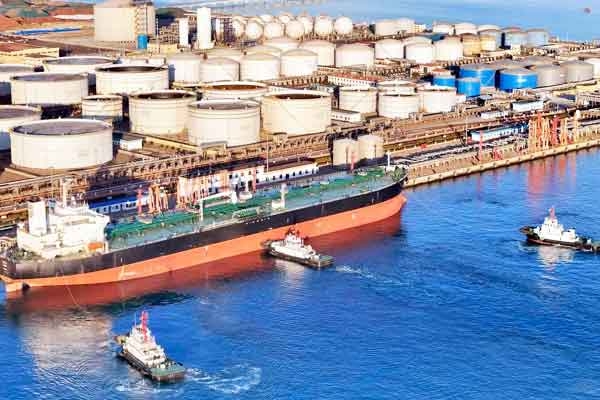
A Chinese takeover of the world's most important oil route is no longer just a far-off concern but is becoming a real situation, as tensions between the US and Iran bring the Strait of Hormuz closer to a long-lasting political conflict. Donald Trump has escalated the situation by making a direct threat to Tehran. He wrote on Truth Social, "Tuesday will be a day for Power Plants and Bridges all combined in Iran. Nothing like it will happen! ! ! You crazy people better open the F' Strait, or you will find yourselves in Hell - JUST WAIT! Thanks be to Allah. " Iran reacted with a straightforward warning. Mohammad Bagher Ghalibaf, the Speaker of Parliament, declared, "Your reckless actions are pulling the United States into a living HELL for every family," blaming Trump for being influenced by Israel. However, beyond the immediate tensions, investors are starting to pay attention to a larger shift in global power. Saurabh Mukherjea from Marcellus Investments described a clear scenario. "I believe China will step in now. China will partner with Iran to ensure that together they control the Strait of Hormuz and, thus, the oil supply for much of the world, which will be a huge win for China. "
Mukherjea mentioned that this is not just a temporary issue. "This is a struggle for oil and the Strait of Hormuz. It's a battle for strategic power. Sadly, this won't end anytime soon," he added, "the fight for control over Hormuz will likely go on for many months. " This perspective is supported by Abdullah Baabood from Carnegie, who points out that China's need for Gulf oil has gradually shifted into a desire for strategic dominance. As Beijing became the biggest importer of crude oil globally, ensuring a steady energy supply through Hormuz became crucial for its national interests. China has already been avoiding US sanctions to buy heavily discounted oil from Iran, making Tehran one of its primary suppliers. A long-term partnership signed in 2021 has strengthened this connection, combining affordable oil with significant Chinese investments and paving the way for increased influence, which may include military cooperation.
Meanwhile, China has expanded its presence throughout the Gulf. It has poured billions into ports in the UAE, Oman, Iran, and Pakistan, while constructing pipelines and railroads that enhance trade connections and lessen dependence on the Strait of Hormuz bottlenecks. Its economic influence now covers areas like infrastructure, telecommunications, energy, and even sectors related to defense within the nations of the Gulf Cooperation Council. Although Beijing doesn't yet have the military strength to take over from the United States as the main security provider in the region, Baabood suggests that the changing involvement of the U. S. and increasing balancing acts by the Gulf countries between Washington and Beijing are allowing China to grow its influence.
For India, the effects are direct and serious. "Prior to the conflict, the Indian economy was already struggling," Mukherjea noted, mentioning low earnings growth and a slowdown in progress. Now, "we'll have to handle costly oil. . . a weak rupee, and increasing interest rates. " He cautioned that the economic pressure will worsen for families and markets. "The story of consumption is beginning to face challenges," he remarked, pointing to the lack of strong job creation in white-collar sectors and rising debt levels. "It is only natural that we will witness cuts in earnings per share related to consumption, and the values will start to be questioned more and more".